
Introduction
In India, whether in bustling city apartments or quiet village shade trees, you’ll often find groups of people sitting together, holding playing cards in their hands, sometimes deep in thought, sometimes bursting into cheers. They are playing Teen Patti (तीन पत्ती), affectionately known as India’s “national game.”
Teen Patti literally means “three cards.” It is not just a card game but an integral part of Indian culture, carrying thousands of years of tradition, religious rituals, and social customs. Today, let’s journey into the world of Teen Patti and explore its origins, evolution, and cultural significance.
What is Teen Patti?
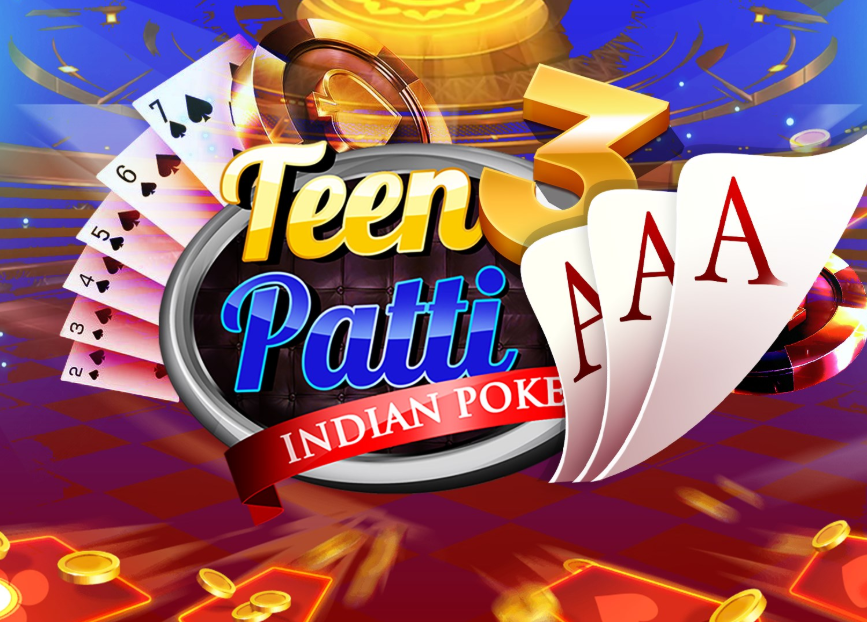
Teen Patti is a gambling game played with a standard 52-card deck, originating from the Indian subcontinent and widely popular throughout South Asia. The game typically accommodates 6-10 players simultaneously. Each player receives three cards, and the winner is determined by comparing the strength of their card combinations.
In English, Teen Patti is sometimes called “Three Cards Brag” or “Indian Poker,” while in some parts of South Asia, people also commonly refer to it as “Flush” or “Flash.”
Basic Game Characteristics:
- Equipment: 52 standard playing cards (no jokers)
- Players: 3-10 people ideal
- Skills Required: Primarily counting ability, easy to learn
- Luck Factor: Moderate
If you’re familiar with China’s “Zha Jinhua” or Britain’s “Three Card Brag,” you’ll find Teen Patti’s gameplay strikingly similar—they share fascinating parallels.
The Origins of Teen Patti: A 4,000-Year Cultural Legacy
Ancient Indian Gambling Traditions
To understand the origins of Teen Patti, we must first explore India’s long history of gambling. As early as 1500 BCE, during the reign of King Krishna, references to gambling appeared in India’s two great epics, the Mahabharata and the Ramayana.
According to historians, gambling culture has existed in India for over 4,000 years, evolving continuously through time. This rich cultural soil laid the foundation for the eventual emergence of Teen Patti.
The Influence of European Traders
While no definitive records pinpoint Teen Patti’s exact origins, many historians believe the game was introduced to India by European traders during their commercial journeys.
These European merchants brought gambling as entertainment, and since gambling was already prevalent in India, European card games quickly spread across the subcontinent. Among these, the most popular was “Three Card Brag.” Indians adapted this game, incorporating local elements to create their own unique version: Teen Patti.
From Temples to Villages
Interestingly, Teen Patti has deep historical connections with the Hindu festival Janmashtami (Krishna’s birth anniversary). According to sociologists, in ancient Indian society, activities like gambling and alcohol consumption were initially privileges of the elite classes, gradually seeping into middle and lower social strata.
Legend has it that during King Kansa’s rule over Mathura, these “social vices” began flourishing. Lord Krishna’s emergence symbolized breaking social taboos and pursuing natural, unrestricted living. Consequently, during the month-long celebration of Krishna’s birth, society granted people temporary “freedom,” allowing normally prohibited behaviors to be temporarily accepted.
This explains why many Indians still maintain the tradition of playing Teen Patti during specific festivals.
Why is Teen Patti So Popular?
1. An Essential Role in Religious Festivals
Teen Patti is inextricably linked to Hindu festivals, most notably Diwali (the Festival of Lights).
Diwali is India’s grandest celebration. During this festival, playing Teen Patti is almost a universal household activity. This tradition stems from a beautiful legend:
According to Hindu mythology, Goddess Parvati once played dice with her husband Lord Shiva. Shiva promised that anyone who gambled on Diwali night would receive his blessings. Thus, Hindus believe that participating in gambling on Diwali night brings wealth and good fortune in the coming year.
This tradition continues today, making Teen Patti an inseparable part of India’s festival culture.
2. “Taash Parties” and Social Life
Beyond religious festivals, Teen Patti is the star attraction of “Taash Parties” (Taash means “cards” in Urdu). These social gatherings are essential events for Indian families and friends.
At these parties, people sit around tables, placing bets on various card games. This activity offers dual benefits:
- Social Entertainment: Enables interaction and joyful moments
- Winning Excitement: Provides winners with a sense of achievement and actual cash rewards
Many Indian families, after finishing their daily work, gather together to play Teen Patti, strengthening family bonds.
3. Bollywood’s Cultural Influence
Teen Patti has deeply penetrated Indian popular culture. In 2010, a Bollywood film titled “Teen Patti” was released, starring Indian legends Amitabh Bachchan and Ben Kingsley. The movie, centered around the card game, showcased Teen Patti’s charm and complexity, further cementing its place in Indian culture.
4. Simple Rules, Playable by All
A key reason Teen Patti became the “national game” is its simplicity. As one expert noted: “The only skill required to master this game is knowing how to count.” This makes it accessible to almost everyone—from urban elites to rural villagers can enjoy the game equally.
5. Modern Digital Evolution
With widespread mobile internet access, Teen Patti has leaped from physical card tables to smartphone screens. Octro, a leading Indian game company, launched their “Teen Patti” app in 2013, which has since surpassed 50 million downloads. Today, Teen Patti games consistently rank among India’s top-grossing apps, demonstrating this traditional game’s remarkable vitality in the modern era.
Modern Variations of Teen Patti
Digital Version Features
Modern Teen Patti games retain traditional gameplay while incorporating innovative elements:
- Multiple Variants: Joker, Muflis, AK47, and other exciting modes
- Social Features: Invite friends via WhatsApp, Facebook to create private tables
- Localized Design: Elements like “Gulak” (piggy bank) replacing Western gift box concepts, resonating culturally with Indian players
Regional Differences
Interestingly, even within India, different regions have slight variations in Teen Patti rules. Every state, community, and even family may have slightly different rule interpretations. This diversity reflects the richness of Indian culture.
Spreading Across South Asia
Teen Patti’s influence extends beyond India throughout South Asia. In Pakistan, the game is equally important in family gatherings and social events, symbolizing friendship and unity.
A Note on Responsible Gaming
While appreciating Teen Patti’s charm and cultural significance, we must remind all players:
Teen Patti is entertainment, not a source of income. Always play rationally, set personal limits, and enjoy the game itself rather than chasing wins or losses. If you feel your gaming behavior is becoming problematic, promptly use tools like “self-exclusion” or contact professional help organizations.
Conclusion
From ancient epics of four thousand years ago, to the playing cards of European merchants, to today’s mobile games, Teen Patti has witnessed the evolution of Indian civilisation. It is not merely a game, but a bond connecting families, friends and communities – a living legacy of Indian culture.
Whether you seek to experience Indian culture or simply enjoy the thrill of card games, Teen Patti is well worth exploring. Download Teen Patti Master today and join millions of Indian players in discovering the unique charm of this national favourite!